Pin Board
The pin board is the full shelf — eight notes including the piece at the root URL, grouped by where I first wrote them down, not by importance and not by date alone.
Cards share one visual language. Nothing here is labelled featured or main. If you arrived through a link to a single piece, this page shows where it sits among the others.
Grouping by writing location is a personal filing system, not a literary theory. A bus note carries the rhythm of stops. A table note carries the patience of boiling water. A spot note carries whatever smell was in the air when the first line arrived. The groups help me see patterns I would miss if everything were sorted newest-first.
Four headings cover the spread: scribbled on the spot, written on the bus, typed at the table, written much later. The last group holds only the Chin Swee piece because it was drafted days after the night itself, in fragments, then assembled slowly enough that the assembly shows.
You may notice the estate appears under different hours — five in the morning, half past six, Sunday noon, after work. That is not variety for its own sake. It is the actual clock of a life that writes when the block is quiet enough to hear itself.
Each card uses the same lead photograph as its article page so the board feels like a wall of filed cards rather than a list of links. Click through if a title catches you. Close the tab if it does not. There is no meter running.
When in doubt, read the coffee shop note first if you like mornings, or the radio note if you like evenings. The Chin Swee piece is the heaviest in subject but not in tone — I kept the voice the same on purpose so the board does not feel like two blogs stitched together.
That is the whole shelf. Eight notes, four tabs of filing logic, zero badges.

Scribbled on the spot
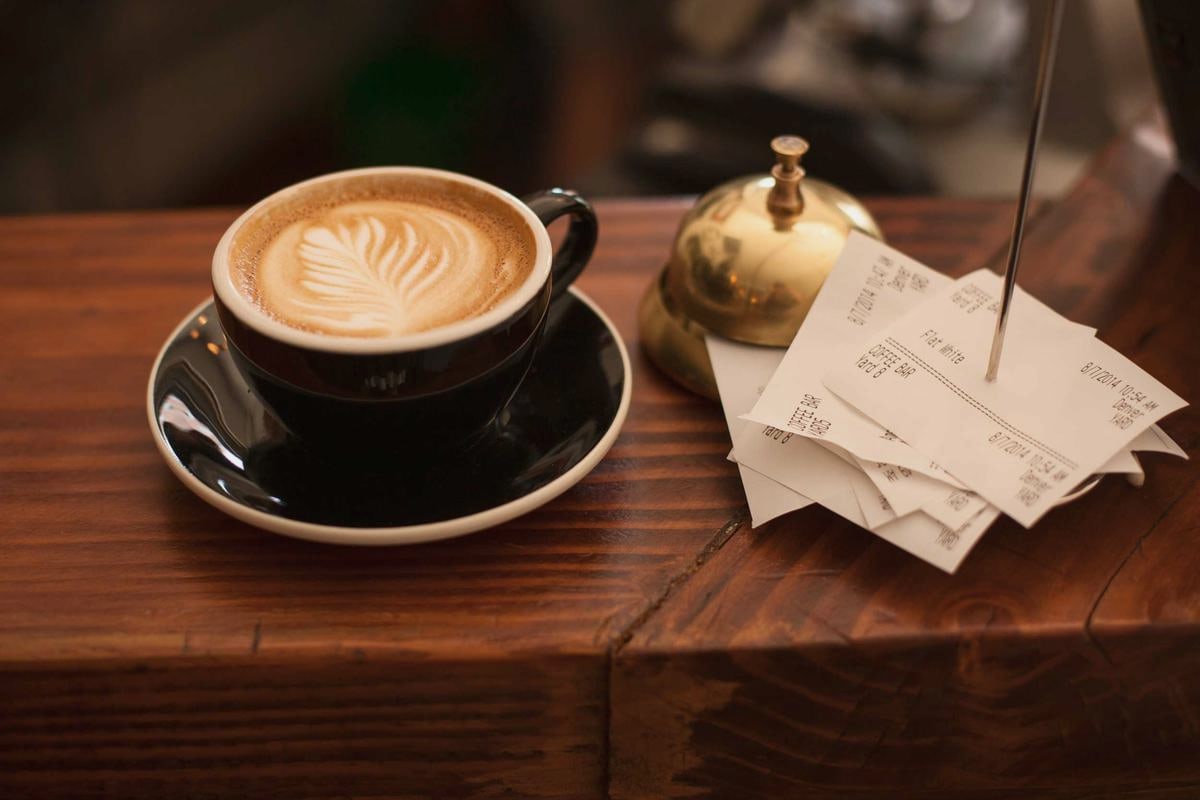
The coffee shop opens before the sun has any business being up.

The lane behind the shops is where the estate shows its working face.
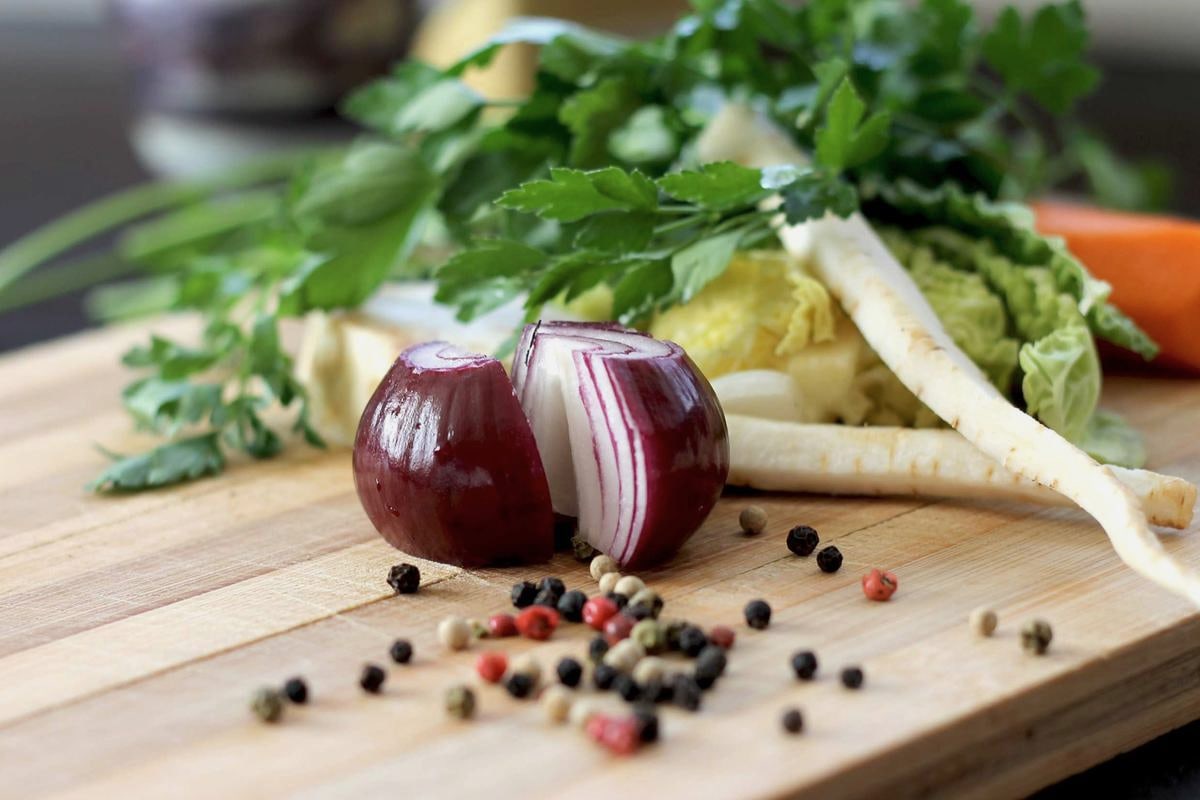
Sunday mornings the hardware and provision shops speak in crates.